Running workplace wellness programs is hard enough in a single office. Spread your workforce across five cities and it gets a lot harder. Employees in Mumbai, Delhi, Bangalore, Pune, and Hyderabad all need to feel part of the same initiative. That rarely happens by accident.
This is the challenge facing most pan-India enterprises today. And it’s more solvable than it looks.
The Multi-City Wellness Problem
Most large organisations have tried some version of a wellness program. The experience tends to follow a predictable pattern. Head office gets the most attention. Regional offices get a watered-down version. Smaller city teams get an email.
The result is uneven participation and a program that feels like a corporate formality rather than something people actually want to join.
The core issue isn’t motivation. It’s design. A wellness initiative that requires physical co-location to work will always exclude most of your workforce. The fix is building something that works just as well in a Bangalore co-working space as it does in a Mumbai headquarters.
Virtual Workplace Wellness Challenges Are the Foundation
Virtual wellness challenges solve the geography problem at the root. When the challenge lives on an app, location becomes irrelevant. An employee in Delhi and an employee in Chennai are on the same leaderboard, contributing to the same team total, and experiencing the same program.
This matters more than it sounds. Shared experiences build shared identity. When your Pune team and your Gurgaon team are competing in the same employee step challenge, they stop feeling like separate outposts. They start feeling like one company.
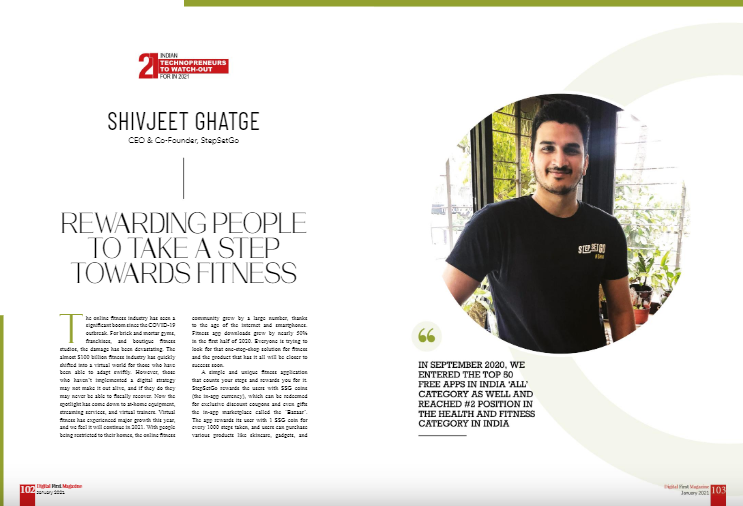
StepSetGo’s platform is built for exactly this. HR configures the challenge once. It rolls out to every employee, in every city, at the same time. No regional variation. No manual coordination across office admins. One setup, one experience, everywhere.
How to Structure Teams Across Cities
Team structure is one of the most important decisions in a multi-city workplace wellness challenge. Get it right and the challenge creates connections across your organisation. Get it wrong and it reinforces silos.
There are three approaches that work well.
- City-based teams. Mumbai vs Delhi vs Bangalore. This creates local pride and friendly rivalry between offices. It works well for organisations that want to energise each location individually.
- Cross-city teams. HR forms teams by mixing employees from different cities together. This is the most powerful option for building a unified culture. A team of six with members in three different cities has to communicate, encourage each other, and collaborate to win. That’s connection that no team offsite can manufacture.
- Department-based teams that cut across locations. All of finance competes together, regardless of city. All of sales, all of operations. This one works well for organisations that want to strengthen function-level identity across a distributed structure.
Technology Requirements for a Smooth Rollout
A pan-India corporate wellness program needs tech that doesn’t create extra work for HR or employees. A few things to look for.
- The platform should work on any smartphone. Not every employee in every city has the same device. Android penetration is high across Tier 2 city offices, and the experience needs to be consistent across devices.
- Step tracking should work with whatever the employee already has. Whether that’s a fitness band, an iPhone health app, or a basic pedometer integration, the workplace wellness platform should meet employees where they are.
- The HR dashboard needs to show data across all locations in one view. If you have to pull separate reports for each city, the admin burden becomes unsustainable at scale.
StepSetGo handles all three. The app works across devices, syncs with existing trackers, and gives HR a single dashboard for every city, every team, and every participant.
Communication Matters More Than You Think
Technology alone doesn’t drive participation. Communication does.
For a multi-city workplace wellness challenge to land well, employees need to hear about it before it starts, during it, and after it ends. That sounds obvious. Most organisations do one of the three.
Before launch, send a clear communication from leadership. Not just HR. When a senior leader in each city visibly endorses the challenge, local participation climbs.
During the challenge, keep the energy alive with weekly updates. Share the leaderboard. Call out milestones. Celebrate teams that are close to a target. These nudges cost almost no time and make a significant difference to completion rates.
After the challenge, share the results company-wide. Total steps taken. Cities that led. Causes supported if it’s a CSR-linked challenge. Closing the loop makes employees feel that their effort was seen. That feeling drives higher participation in the next round.
One Company, One Wellness Story
Pan-India enterprises don’t have a participation problem. They have a cohesion problem. Employees want to be well. They want to feel connected to their colleagues. A well-designed employee step challenge, run virtually and structured thoughtfully, gives them both at once.
Organisations like Tata, L&T, and Deloitte run exactly this kind of unified workplace wellness initiative through StepSetGo, across thousands of employees, in multiple cities, without the logistical complexity that used to make it feel impossible.
The technology exists. The playbook is clear. The only thing left is to run it.
Ready to Connect Every Office in Your Next Challenge?
StepSetGo makes it simple to run unified virtual wellness challenges across every city your organisation operates in, with one setup, one dashboard, and one shared experience for every employee.
Book a demo and see how it works →